
Want to make a game? Don’t start with a story!
Wait, what?
You read that right. Don’t start with a story.
A story is an important part of game design, but it is not the part that should be tackled first. In fact, for many games is it done at the end. Of course, many games suffer because the story was done at the end of the cycle. While it should not be the last thing to be done, it definitely should not be the first thing to be done.
Let’s say you have this wonderful story already created. You have envisioned how this story will be told through your game. You get other developers or artists involved in your project (or do it all yourself) and expect the game to be a great game because of this great story you have.
Stop.
If you want to write a great story, write a book, graphic novel, movie, short story, or something else. A game is not to be written because you have a great story. This is why so many games based on movies fail so hard. They try to design game play around a story. Games that have game play designed around a story rarely succeed.
Why?
Games are meant to be fun. Most games are played to be enjoyed. Part of the enjoyment is the story. That is why I really like many games I play – because it has a great story. But as an indie game developer, you can’t START with a story when making a game. Even successful AAA studios don’t start with a story.
So are stories not important?
Stories are important. Every game should have a story, even if it is a simple one. The point here, isn’t that stories aren’t important, it is that stories are not the starting point when designing a game.
I think of games like Alan Wake, Batman: Arkham City, the Mass Effect series, Dragon Age and the Assassin’s Creed series.
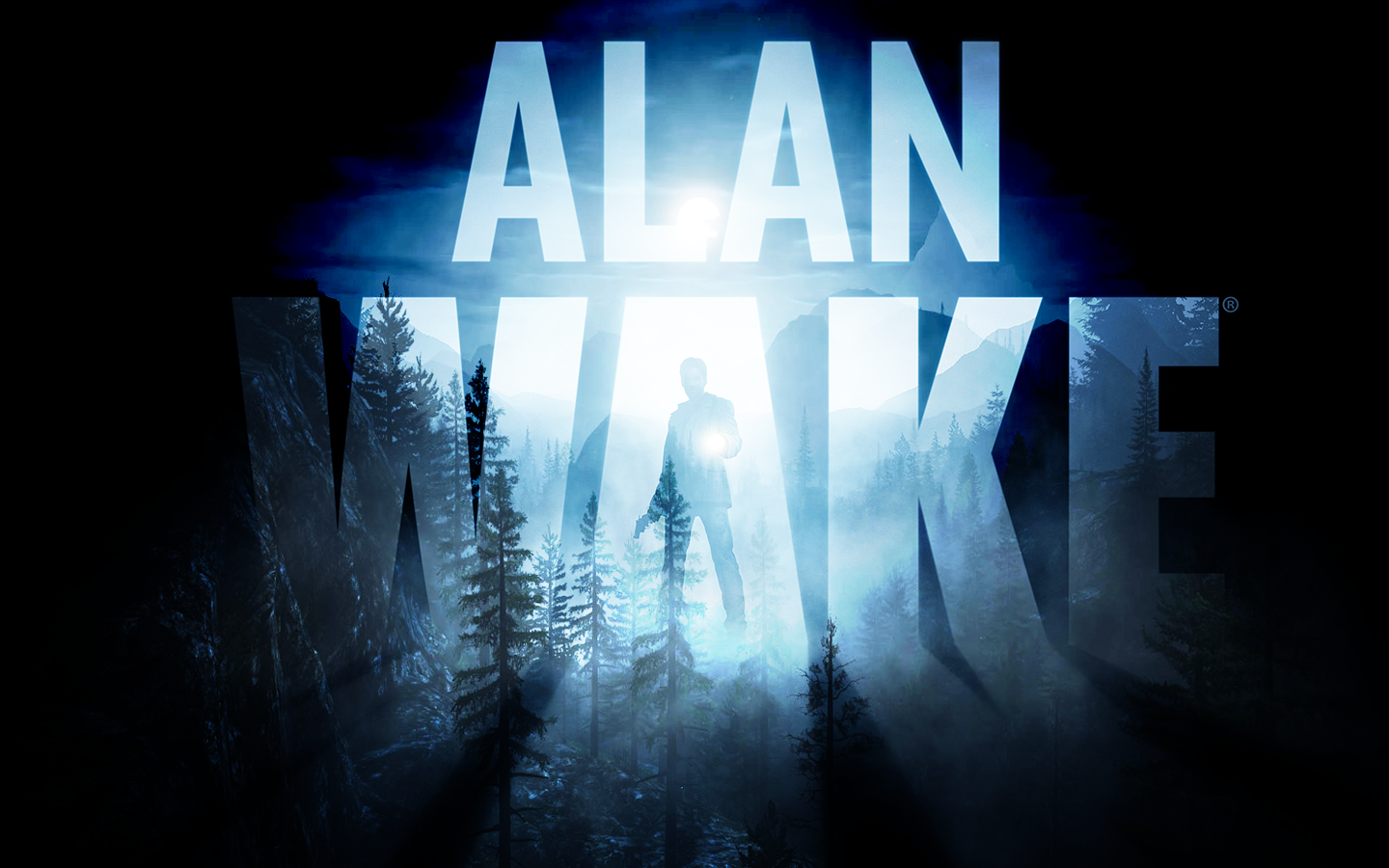
These games all have excellent stories. But I don’t believe that they all fleshed out the story before working on the game. Game design is about solving problems – about completing challenges. It is interactive and while a story is definitely part of it, it isn’t the central part. Narrative on the other hand is a central part of game design.
Narrative vs. Story
You should have a narrative though. A narrative and a story are not the same thing. A narrative helps you determine what emotion or idea you want to explore with the game. When designing your game, the emotion and the idea of the game are most important to nail down early on. The details of the story, level design, sound, general aesthetics, etc. can all be fleshed out as the game is being created. However, it is critical to know what emotion and idea your game wants to convey.
If you start with a story, then it will lead you in a world of hurt. You will be locked into a specific set of locations and places. What if the technology can’t pull off elements in your story? What if you can’t have but so many items in your scene and your story is really dependent on that? There are ways around it, but it is good to prototype that part of the game to begin with before locking it down in your story. Prototyping is another topic I’ll save for another article, but for now know that prototyping and play testing are keys to having your game be successful.
How many games have you grinded through just to see how the story ends? Sometimes, that story can make up for bad game play, but most of the time, no matter how good the story is, if the experience to get that story told to us is unsatisfactory, then it puts a blot on the story as well and we don’t appreciate it as much as we could have.
How many games have you played that had excellent game play but the story was mediocre at best, but you still enjoyed going back to play the game? It is hard to create a great game that also has fantastic story. But it was actually done as far back as Space Invaders.
Space Invaders could have just been a triangle shooting at blocks. Instead, it used a story to make it more exciting and easier to understand. Originally, Space Invaders was going to be about a human army the player was shooting. They changed it to aliens for a couple of reasons. Violence against aliens was assumed more acceptable than violence against other humans, even opposing armies. Aliens also aligned itself well with the “high-tech” computer graphics of 1978.
If Batman Arkham City had terrible controls, then it wouldn’t matter how good the story was, the game would have been a disaster. But the controls were done so well that it rarely, if ever, felt like grinding in the game. The game play itself was fun on it’s own. The story was just a bonus – but, of course, a fantastic bonus.
All aspects of making a game is important, but if you start with a story instead of a narrative you will be locking yourself in and most likely never get your game off the ground. Instead, don’t get too attached to a story, or to an idea for that matter.
Now What?
So if you aren’t supposed to start your game design with a story, what should you start with? Well, I’ll get to that in my next post. Stay tuned.
Better yet, let me know in the comments what you think is the first thing you should start with when designing a game.
The conversation
13 comments
Leave a comment